

When a customer makes their first purchase at an online merchant, this is just the beginning of an evaluation. Our research shows that consumers approach the first transaction with caution. They are not committing to a long-term relationship but rather testing whether the experience meets their expectations.
The trial mindset
Consumers frequently take a lower-risk approach during their first interaction with a merchant. Common behaviors include:
- Choosing guest checkout
- Avoiding stored payment credentials
- Monitoring confirmations and follow up communication closely
These actions are intentional as they allow consumers to limit exposure while assessing reliability.
The determining factors for what happens next
The first transaction sets the tone for future behavior. If the experience is consistent and clear, consumers are more likely to:
- Return for additional purchases
- Create an account
- Store payment information
If the experience introduces uncertainty, they may not return at all.
Where merchants fall short
Many checkout experiences are optimized for immediate conversion, but not for building trust over time. If post-purchase communication is delayed, unclear, or inconsistent, confidence drops. If the experience feels unreliable at any point, the relationship may not progress beyond the first transaction.
Why this matters
The first purchase is not just about revenue that’s earned today. It is about future revenue. Merchants that treat it as a trust-building moment can increase repeat purchase rates and long-term customer value. Those that do not may win the transaction but lose the customer.
Learn how to turn first-time buyers into repeat customers.
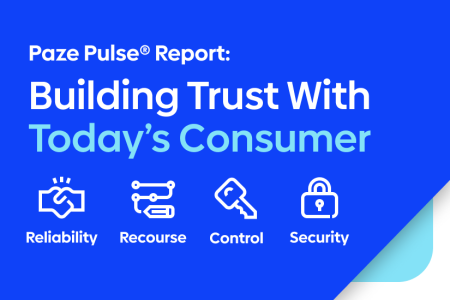
Download the full Paze Pulse® report.









 at checkout?